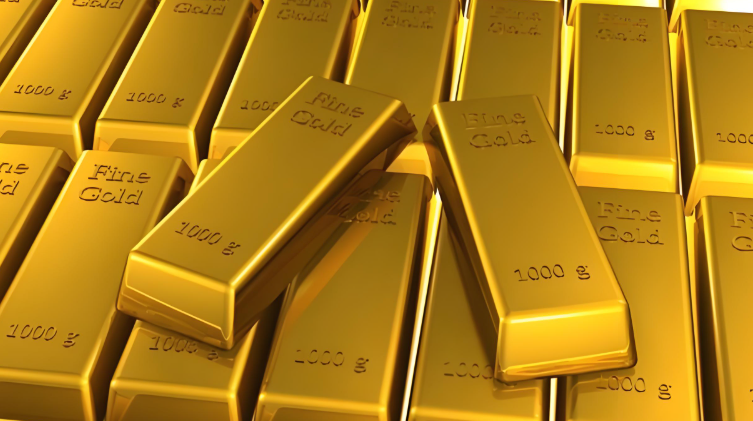
If you're looking at precious metals, either as a hedge, a speculation, or a long-term store of value, one question hits you fast: which one is the rollercoaster, and which is the steady train? I've traded both for years, and watching their charts feels like observing two different personalities. Gold is the seasoned diplomat, moving with purpose. Silver is the passionate artist, prone to dramatic outbursts. So, does gold or silver fluctuate more? The short, definitive answer is silver. It's not even close most of the time. But if you stop there, you're missing the entire story—the *why* behind the swings and, more importantly, what that means for your money.
What You'll Discover
Understanding Volatility: It's More Than Just Price Swings
Before we compare, let's define our terms. When I say "volatility," I'm not just talking about big price moves. I'm talking about the frequency and magnitude of price changes relative to the asset's average price. It's the difference between a choppy sea and occasional big waves. Measured statistically, it's often the standard deviation of returns. A more volatile asset has a wider range of potential outcomes in a shorter time. This matters because volatility directly translates to risk and opportunity. High volatility can mean bigger quick gains, but it also means a steeper, faster path down if you're wrong. I've seen newcomers get dazzled by silver's potential upside without mentally preparing for the gut-wrenching drops that come with the territory.
The Core Answer: Silver is the More Volatile Metal
Historical data screams this truth. Look at any major market event—the 2008 financial crisis, the 2011 peak, the 2020 COVID crash, or the 2022 inflationary surge. In nearly every case, silver's percentage moves are significantly larger than gold's. During the 2008 meltdown, gold fell, but silver fell harder. In the recovery rally, silver soared past gold's percentage gains. This pattern isn't an accident; it's baked into their fundamental structures.
Think of it this way: the gold market is an ocean liner. It takes a lot to change its direction, and its movements, while powerful, are generally more measured. The silver market is a speedboat. It's smaller, more sensitive to waves (market sentiment), and can turn on a dime, leading to sharper, more frequent price spikes and plunges.
A Personal Observation: I remember watching the charts in early 2021 during the Reddit-fueled meme stock frenzy. While gold barely flickered, silver saw a violent, short-lived spike as retail traders piled in. It was a perfect, if extreme, example of silver's susceptibility to speculative flows that gold largely ignores. The move was unsustainable and reversed quickly, trapping the unprepared.
Why Silver is the Wilder Ride: The Three Key Drivers
So why is silver so jumpy? It boils down to three interconnected factors. Missing any one of these is a mistake I see even experienced investors make.
1. Market Size and Liquidity
The gold market is massive. According to the World Gold Council, the total value of all above-ground gold is in the trillions. The silver market is a fraction of that size. A billion dollars moving into gold is a drop in the bucket. That same billion moving into silver? It's a tidal wave. Smaller market cap means it takes less money to move the price significantly, both up and down. This thin liquidity is the primary engine of silver's volatility.
2. Dual Identity: Precious Metal vs. Industrial Commodity
This is the big one. Gold's demand is overwhelmingly for investment and jewelry. Its value is primarily monetary and emotional. Silver splits its soul. About 50-60% of annual silver demand comes from industrial applications—solar panels, electronics, medical devices, and more (data from The Silver Institute is a great resource here). This means silver's price isn't just reacting to inflation fears or dollar weakness; it's also hostage to the global economic cycle. A recession fear can crush industrial demand expectations, pulling silver down even if gold is holding up as a safe haven. It gets tugged in two directions constantly.
3. Investor Sentiment and Leverage
Because silver is cheaper per ounce, it's often seen as the "poor man's gold" or a more accessible speculative play. This attracts a different crowd—more retail traders, more momentum chasers. Furthermore, the primary way many large players access the silver market is through futures contracts, which are highly leveraged. Leverage amplifies every price move, adding rocket fuel (or napalm) to silver's inherent volatility.
| Volatility Driver | Impact on Gold | Impact on Silver | Result for Volatility |
|---|---|---|---|
| Market Size | Enormous, deep liquidity. Large flows absorbed easily. | Relatively small, thin liquidity. Flows cause big ripples. | Higher volatility for Silver. |
| Demand Profile | ~90% Investment/Jewelry. Pure "store of value" play. | ~55% Industrial, ~30% Investment. Tied to economic health. | Higher volatility for Silver (exposed to two cycles). |
| Investor Base | Central banks, large institutions, long-term holders. | More retail speculators, momentum traders, leveraged futures. | Higher volatility for Silver. |
What This Means for Your Investment Strategy
Knowing silver is more volatile isn't just trivia—it should shape your approach.
For the Risk-Averse or New Investor: Gold is likely your better starting point. Its lower volatility makes it a more predictable hedge. You can allocate to it and not have to check the price every hour. It's for capital preservation first, growth second.
For the Strategic Allocator: A mix can make sense, but your position sizing must reflect the risk. If you put 5% of your portfolio in gold, putting 5% in silver is not an equivalent bet. Due to its higher volatility, a smaller position in silver can have a similar overall risk impact on your portfolio as a larger one in gold. This is a nuance most generic portfolio models gloss over.
For the Active Trader or Speculator: Silver's volatility is your playground. It offers more frequent and larger percentage swings to capitalize on. But you need a stomach of steel and strict risk management rules (stop-losses are non-negotiable). The swings can wipe out gains fast.
Common Investor Missteps (And How to Avoid Them)
After years in this space, I've seen the same errors repeated.
Misstep 1: Allocating Equal Dollar Amounts. Treating a $10,000 gold position and a $10,000 silver position as having the same risk is a fundamental error. The silver position will almost certainly cause more portfolio volatility.
The Fix: Think in terms of risk contribution. If your goal is stability, a smaller dollar amount in silver may be appropriate. Alternatively, use volatility-adjusted position sizing.
Misstep 2: Chasing Silver's Peaks. Silver's dramatic rallies are intoxicating. Investors FOMO in at the top, just in time for the inevitable sharp correction. They then panic-sell at a loss, cementing the cycle.
The Fix: Have a plan before you buy. Use dollar-cost averaging to build a position over time rather than going all-in on a spike. Understand that silver's best entry points often feel terrible—when it's been beaten down and ignored, not when it's on the front page.
Misstep 3: Ignoring the "Why" Behind a Move. Is silver rising because of a weak dollar (a gold-like move) or because of a boom in solar panel manufacturing (an industrial move)? The driver dictates how long-lasting the trend might be. A pure speculative frenzy dies fastest.
Your Volatility Questions, Answered
If silver is more volatile, does that automatically mean it's a better investment for growth?
Not automatically. Higher volatility means higher potential returns, but it also means higher potential losses. It's a double-edged sword. Silver can outperform gold dramatically in a strong bull market for precious metals (like 2009-2011), but it can also underperform just as dramatically in a bear market or during economic slowdowns that hurt industrial demand. Growth depends on timing and the market environment, not just volatility.
During a true market crash or panic, which one holds up better?
Historically, gold. Its status as the ultimate monetary safe haven is more entrenched. In the initial liquidity crunch of a crisis, all assets can sell off (including gold), but gold typically recovers its safe-haven role faster and more reliably. Silver, with its industrial component, can get dragged down by recession fears and may take longer to find its footing. In 2008, both fell, but gold bottomed earlier and began its recovery while silver was still languishing.
How can I actually measure their volatility myself as an investor?
You don't need complex math. A simple, effective way is to compare their ETFs over the same period. Look at the daily percentage changes of GLD (a major gold ETF) and SLV (a major silver ETF) over the past year. You'll immediately see SLV's daily moves are consistently wider. For a more formal measure, most financial data sites list the "beta" of these ETFs relative to the market, or their standard deviation. Silver's numbers will be higher. The key is observing the pattern, not just a single statistic.
Does the higher volatility of silver make it unsuitable for a long-term, buy-and-hold retirement portfolio?
Not necessarily unsuitable, but it must be sized appropriately. For a true long-term holder (decades), volatility along the way matters less if you never sell during the dips. The problem is behavioral—most people can't stomach watching a 5% portfolio allocation lose 30-40% of its value during a downturn. They sell. If you know you have the temperament to ignore huge swings, a small allocation to silver could work. If you have doubts, gold's smoother ride is better for sleep-at-night, long-term holding.
Are there times when gold's volatility briefly exceeds silver's?
Yes, it can happen during specific, acute monetary crises or geopolitical shocks that trigger a frantic flight to quality. In those moments, gold's sheer size and liquidity become an advantage, allowing huge sums to flood in rapidly, causing sharp spikes. However, these episodes are the exception, not the rule. Over any sustained period (quarters or years), silver's volatility metrics will almost always come out on top. The trend is your friend here.
The bottom line isn't just that silver fluctuates more than gold—it's why it does and how you should adjust your expectations and strategy because of it. Gold is your anchor, silver is your sail. Use the anchor for stability in the storm. Use the sail to catch the wind for growth, but know it will also tilt your boat more. Choose the tool—or the mix—based on the seas you're sailing and how much rocking you can handle.